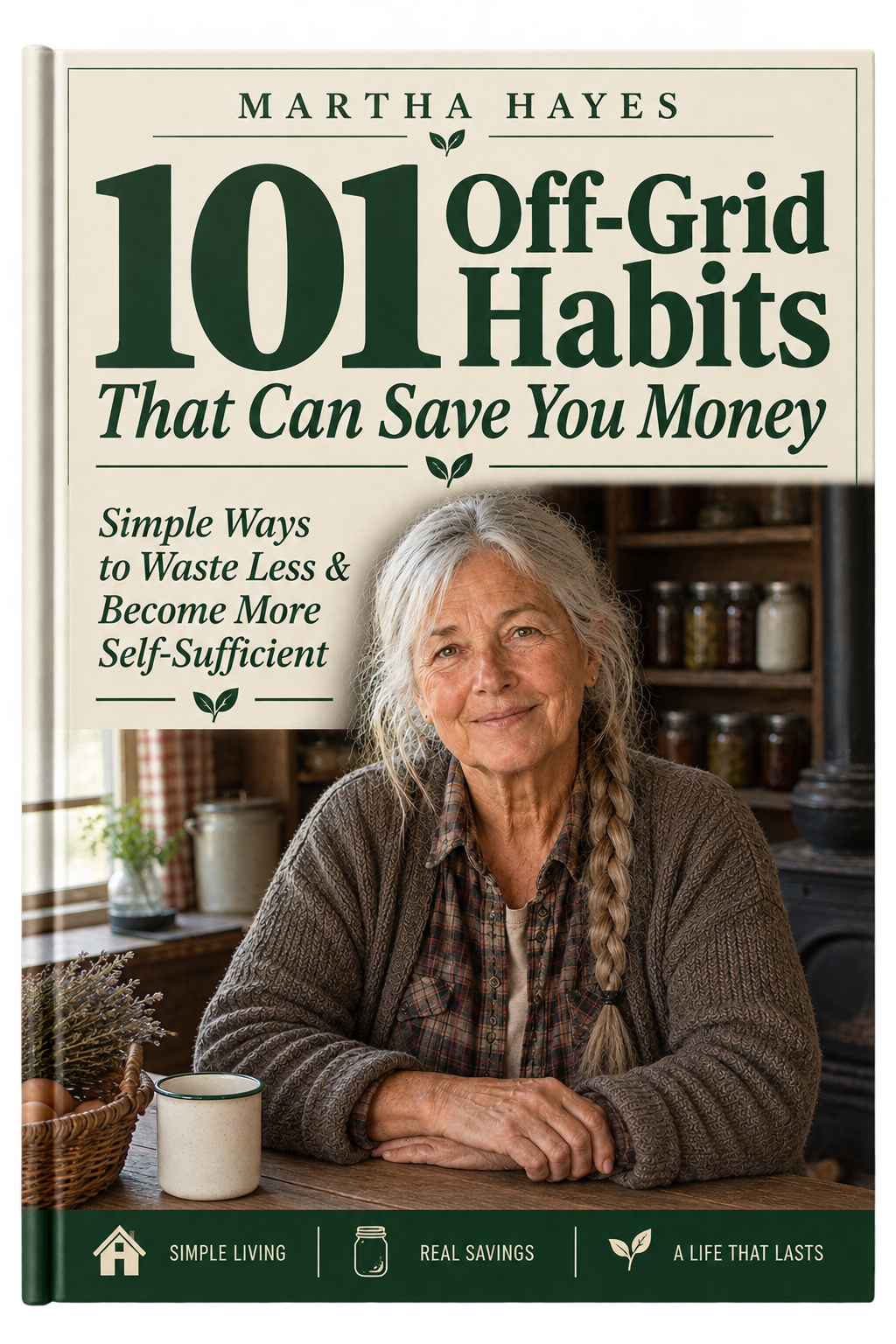
Every chapter stands on its own. Start with the one that fits your house and your budget — you do not have to do all of them.
1
Learning to Live With Less
Delay nonessential purchases. Measure recurring costs. A simpler home isn't one without useful things — it's one where the useful things earn their space.
2
The Things I Rarely Throw Away
Glass jars, old towels, scrap wood, sturdy buckets, hardware. There's a line between thrift and clutter — this chapter draws it.
3
How I Make Clothes Last for Years
Wash when it actually needs washing. Air-dry suitable items. Mend small damage immediately. "Old" and "worn out" are not the same thing.
4
The Cleaning Products I Actually Use
Fewer bottles, better tools, and the difference between cleaning and disinfecting. Stop buying twelve overlapping specialty products.
5
How I Stopped Wasting Food
The use-first bin, planning from what you already have, and giving leftovers a destination before they reach the refrigerator.
6
How I Keep a Pantry Without Hoarding
Build slowly. Choose familiar staples. A useful pantry moves through ordinary meals — it's not a museum of cans nobody eats.
7
What Off-Grid Life Taught Me About Water
Conservation and safety are two different jobs. Fix leaks, water gardens efficiently, and never judge safety by appearance.
8
Keeping Comfortable Without Wasting Energy
Stop drafts, use window coverings, dress for the season. Ask where the heat is going before you make more of it.
9
Why I Take Care of My Tools
Put tools away clean and dry. Sharpen correctly. Buy for the work you actually do. A good tool is not indestructible — it outlasts furniture because somebody cared for it.
10
Why I Repair Before I Replace
Stop saying "it's broken" and start asking "what broke?" Diagnose before buying parts. A chair can be fine except for one joint.
11
Growing Food You'll Actually Eat
Plan from the kitchen backward. Grow what your household uses, in quantities you can realistically tend, eat, share, or preserve.
12
Prepared, Not Panicked
Stop imagining disasters. Start thinking about inconveniences. What would you want if the lights went out tonight?
13
10 Things I Barely Buy Anymore
Paper towels, single-purpose organizers, duplicate gadgets, seasonal decorations, things bought only because they're on sale. The "stop buying so often" list.
14
Your 30-Day Simpler-Living Reset
Inventory. Fix three things. Attack food waste. Audit water. Audit energy. Strengthen the pantry. Make a stop-buying list. One month, no upheaval.
Bonus
101 Off-Grid Habits You Can Start Today
The complete checklist — from "use the oldest pantry item first" to "teach one practical skill to someone else." Revisit whenever the house starts feeling expensive, cluttered, or wasteful.